


Chronic Pain and Chronic Depression: Ending A Vicious Cycle
Did you know that the many people suffering from depression are also dealing with some form of chronic pain? One study found that an average of 60% of depressed subjects also reported chronic pain symptoms. This raises the question: Are the two related?
Research suggests there may be a meaningful overlap between depression and chronic pain including shared brain pathways involved in pain perception, stress, and mood regulation. Let’s take a closer look at chronic pain, the relationship between pain and depression, and the conservative care options that may help support function, mobility, and quality of life.
What is Chronic Pain?
Let’s say you feel soreness after a tough workout or you stub your toe. These are generally short-lived and completely normal types of pain. The inflammation and dull aches will last a few days, but they will typically subside within a week. But when pain lasts far longer than expected – usually three months or more – this is what is known as chronic pain.
People who suffer from chronic pain tend to report similar symptoms, including the following:
- Consistent aches in the muscles, connective tissue, and joints
- Consistent pain, primarily in the connective tissue, joints, and areas such as the lower back
- Difficulty with a normal sleep schedule
- Constant fatigue (from the lack of sleep)
- Mental exhaustion
- Mood swings
- Lack of desire for physical activities involving flexibility and endurance
The longer a person suffers from chronic pain, the more difficult the condition may become to manage. For example, what used to be a dull throbbing pain could increase or transition into a sharp burning pain over time. That does not always mean a serious condition is present, but it does mean a proper evaluation becomes more important.
How Does Chronic Pain Fuel Depression?
There are a few ways that chronic pain can worsen depression symptoms or emotional distress:
Change of Lifestyle: Chronic pain can dramatically change your lifestyle. Things that were once easy to do, such as bending down to pick something up suddenly, may become a source of anxiety. When you’re trying to avoid making a chronic condition pain worse, you might feel trapped and limited in what you’re able to do. This feeling of helplessness can contribute to low mood if the pattern continues and is not addressed appropriately.
Lack of Sleep: A full cycle of sleep – entering the deep stages of restorative sleep – can take between 90 and 120 minutes. Those with chronic pain often find it impossible to get a good night’s rest because switching positions or laying for too long on one side can aggregate pain symptoms. After even a short period of sleeplessness nights, you may begin to experience mental exhaustion, physical fatigue, and mood swings. Studies show a strong relationship between depression and sleep deprivation.
The Pain Itself Can Wear You Down: As mentioned above, short-term, low-level pain is normal and expected in response to our body experiencing an injury. But if you are constantly suffering from pain, that burden alone may affect your mental state. No one wants to go about their day constantly managing discomfort, fatigue, and physical limitation. Persistent pain can be physically draining and emotionally exhausting.
The Vicious Cycle of Pain and Depression
So, which came first: the pain or the depression? While scientists are still trying to understand the exact pathophysiological mechanisms involved, but research suggests that pain and depression overlap in important ways within the brain. This has major implications for conservative care, because it helps explain why chronic pain often affects much more than the body alone.
A study found that many of the sensory pathways in the brain that are correlated with injury are also associated with mood regulation. The following parts of the brain have been identified as important in both pain processing and depression:
- Insular cortex
- Prefrontal cortex
- Anterior cingulate
- Thalamus
- Hippocampus
- Amygdala
This discovery, while helpful, isn’t entirely surprising. When you get hurt, there is often an emotional response. You might get angry, frustrated, or discouraged. In healthy recovery, that reaction tends to fade as the pain improves. But for those with chronic pain, it can be a very different story.
People with chronic pain often feel stressed and anxious because they want to avoid worsening their symptoms. Now imagine this mood and mindset continuing for weeks or months. It becomes easier to see how frustration may become anger, confidence may become low self-esteem, and sadness may become depression.
How to Alleviate and Prevent Pain and Depression
As researchers continue to study the relationship between pain and depression in the brain, there are several conservative steps that may help reduce pain, improve function, and support overall well-being.

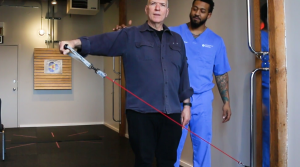 Physical Therapy: If you’ve become sedentary due to chronic pain, physical therapy and guided exercise have been shown in studies to effectively improve movement, reduce pain related disability. Gradual strengthening and mobility work may also support mood by helping you return to activity safely and consistently.
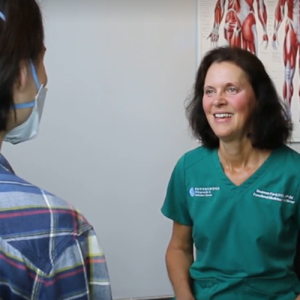 Nutritional Therapy: It might sound cliché, but you really are what you eat. If you’re eating a diet that is causing high levels of inflammation, poor sleep, or low energy, it may also be working against your recovery. Nutrition does not replace a proper diagnosis or treatment, but healthy habits can support overall wellness, tissue recovery, and day-to-day resilience.
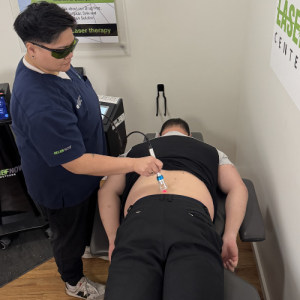 Class IV Laser Therapy: For some patients, Class IV Laser Therapy may be considered as part of a conservative, multi-modal treatment plan for chronic musculoskeletal pain.
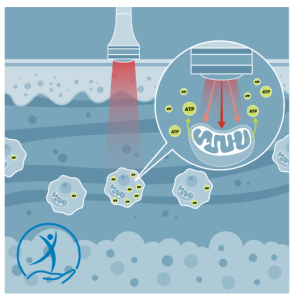 Research on photobiomodulation and laser therapy suggests it may help support pain relief and tissue recovery through several mechanisms including:
- Modulating pain signaling pathways
- Supporting circulation in the treated area
- Helping regulate inflammatory activity
- Supporting cellular energy production and tissue metabolism
- Encouraging and environment more favorable for healing and recovery
In simple terms, Class IV Laser Therapy is not just aimed at masking pain. It is used in an effort to support the underlying tissue environment as part of a broader care plan. Depending on the condition, this may be especially relevant when chronic pain is associated with tendon irritation, muscle strain, joint-related inflammation, or repetitive stress injuries
That said, not every case f chronic pain is appropriate for laser therapy, and it should not be seen as a stand-alone treatment for every patient. A proper examination is important to determine whether symptoms appear musculoskeletal, whether additional testing or referral is needed, and whether laser therapy fits the diagnosis and goals of care.
When Pain and Low Mood Both Need Attention
Chronic pain and depression often influence each other. That means patients may benefit from addressing both physical and emotional health at the same time. If you have ongoing pain along with symptoms such as persistent sadness, hopelessness, withdrawl from normal activities, major sleep disruption, or loss of interest in things you usually enjoy, it may be wise to speak with a licensed mental health professional or your primary care physician in addition to seeking an evaluation for the physical cause of your pain.
If you are ever experiencing thoughts of self-harm or feel unsafe, call 911 or seek immediate emergency help.
Get Help for Your Pain
 Do you suffer from chronic pain and are not sure where to start?
At Ravenswood Chiropractic and our specialty clinic the Chicago Laser Pain Center in Andersonville, our team focuses on conservative care for musculoskeletal pain, mobility problems, and injury-related conditions. Depending on your exam findings and diagnosis, treatment recommendations may include chiropractic care, rehabilitative exercise, and class iv laser therapy as part of a personalized care plan.
If you are dealing with chronic pain in Chicago and want to know whether your condition may be appropriate for conservative treatment call or text us at 773.878.7330 to schedule an evaluation.
FAQ
Can chronic pain contribute too depression?
Yes, chronic pain can contribute to low mood, frustration, sleep disruption, and reduced activity, all of which may increase the risk of depressive symptoms. Pain and depression also appear to share overlapping brain pathways in some research.
Can depression make chronic pain feel worse?
It can. Depression, anxiety, stress, and poor sleep may affect how the nervous system processes pain, which can make symptoms feel more intense or harder to cope with.
Is chronic pain always caused by a serious medical problem?
Not always, Chronic pain can come from ongoing musculoskeletal irritation, deconditioning, old injuries, repetitive stress, or other causes. However persistent pain should be properly evaluated to rule out conditions that may require medical referral.
What type of doctor should I see for chronic pain and depression?
That depeCan nds on your symptoms. A chiropractic physician or other musculoskeletal provider may evaluate mechanical pain problems, while a primary care physician, psychologist, psychiatrist, or licensed therapist may help assess depression and mood-related concerns. In many cases, coordinated care is best.
Can Class IV Laser Therapy help chronic pain?
Class IV Laser Therapy may help some patients with musculoskeletal pain by supporting circulation, helping regulate inflammation, and influencing pain signaling. It is not appropriate for every condition, which is why an examination is important first.
Does laser therapy only cover up pain?
The goal of laser therapy is not simply to cover up pain. Research suggests it may help support tissue metabolism, circulation, and the local healing environment while also helping modulate pain signals. Results vary based on the conditions, severity, chronicity, and overall treatment plan.
Can poor sleep make chronic pain and depression worse?
Yes. Sleep disruption is commonly associated with both chronic pain and depression. Poor sleep may lower pain tolerance, reduce recovery capacity, and worsen irritability, fatigue, and mood.
When should I seek professional help for chronic pain?
You should seek an evaluation if pain lasts more than a few weeks, keeps returning, interferes with sleep or daily activities, limits work or exercise, r is accompanied by numbness, weakness, unexplained weight loss, fever, severe night pain, or changes in bowel or bladder symptoms.
Where can I get evaluated for chronic pain in Chicago?
If you are in the Andersonville area, Ravenswood Chiropractic & Wellness Center and it’s specialty pain clinic The Chicago Laser Pain Center on Ravenswood Ave in Andersonville provides evaluation and conservative treatment options for many chronic pain conditions.
References
- Katon W, Schulberg H. Epidemiology of depression in primary care. Gen Hosp Psychiatry. 1992;14(4):237-247
- Rayner L, Hotopf M, Petkova H, Matcham F, Simpson A, McCracken LM. Depression in patients with chronic pain attending a specialised pain treatment centre: prevalence and impact on health care costs. Pain. 2016;157(7):1472–1479. doi:10.1097/j.pain.0000000000000542.
- Sheng J, Liu S, Wang Y, Cui R, Zhang X. The Link between Depression and Chronic Pain: Neural Mechanisms in the Brain. Neural Plast. 2017;2017:9724371. doi:10.1155/2017/9724371.
- Meerwijk E. L., Ford J. M., Weiss S. J. Brain regions associated with psychological pain: implications for a neural network and its relationship to physical pain. Brain Imaging and Behavior. 2013;7(1):1–14. doi: 10.1007/s11682-012-9179-y.
- Nutt D, Wilson S, Paterson L. Sleep disorders as core symptoms of depression. Dialogues Clin Neurosci. 2008;10(3):329–336.
- Lefebvre R, Peterson D, Haas M. Evidence-Based Practice and Chiropractic Care. J Evid Based Complementary Altern Med. 2012;18(1):75–79. doi:10.1177/2156587212458435.
- Coronado RA, Bialosky JE. Manual physical therapy for chronic pain: the complex whole is greater than the sum of its parts. J Man Manip Ther. 2017;25(3):115–117. doi:10.1080/10669817.2017.1309344.
- Iversen VM, Vasseljen O, Mork PJ, et al. Resistance training in addition to multidisciplinary rehabilitation for patients with chronic pain in the low back: Study protocol. Contemp Clin Trials Commun. 2017;6:115–121. Published 2017 Apr 12. doi:10.1016/j.conctc.2017.04.001.
- Sniezek DP, Siddiqui IJ. Acupuncture for Treating Anxiety and Depression in Women: A Clinical Systematic Review. Med Acupunct. 2013;25(3):164–172. doi:10.1089/acu.2012.0900.
- Adams R, White B, Beckett C. The effects of massage therapy on pain management in the acute care setting. Int J Ther Massage Bodywork. 2010;3(1):4–11. Published 2010 Mar 17.
- De Gregori M, Muscoli C, Schatman ME, et al. Combining pain therapy with lifestyle: the role of personalized nutrition and nutritional supplements according to the SIMPAR Feed Your Destiny approach. J Pain Res. 2016;9:1179–1189. Published 2016 Dec 8. doi:10.2147/JPR.S115068.

Dr. DeFabio D.C. is a highly regarded chiropractor in Chicago who focuses on helping his patients achieve optimal health and wellness. He takes a holistic approach to care, treating symptoms and addressing underlying issues to promote long-term healing. Dr. DeFabio D.C. is passionate about empowering his patients to take control of their health and live their best lives. You can find him surfing, skateboarding, and volunteering at the Lakeview Food Pantry when he’s not in the office.


