
Scar Tissue Treatment
At Ravenswood Chiropractic in Andersonville, we evaluate healed scar tissue that feels tight, tender, or movement-limiting and consider shockwave therapy and rehabilitation when clinically appropriate.
A Closer Look at Scar Tissue
What Is Scar Tissue?
Scar tissue is collagen-rich tissue your body forms to repair damage after injury, surgery, or burns. It is a normal part of healing and often causes no problem.
As healing continues, scar tissue gradually remodels. In some people, a healed scar or the tissues around it may remain tight, sensitive, less mobile, or uncomfortable with movement. Different types of scars behave differently, so treatment should depend on whether the concern is function, pain, restricted mobility, skin appearance, or another medical issue.
Scar formation is a normal repair process, and many scars become less noticeable over time without treatment. Raised scars, keloids, and contracture scars behave differently and may require different forms of care.
Common Symptoms
Scar-related functional problems vary, but the main concern is often how the healed area feels or moves rather than how the scar looks.
- Tight or pulling sensation
- Reduced range of motion
- Tenderness around healed scar
- Pain with stretching
- Sensitive or uncomfortable tissue
- Firm or thickened tissue
- Itching around scar
- Difficulty with certain movements
Common Causes
Scar tissue develops as part of normal healing after tissue damage and is not automatically abnormal or harmful.
- Surgical incisions
- Traumatic wounds
- Burns
- Skin grafts
- Significant soft-tissue injuries
- Repeated procedures
- Complicated wound healing
- Previous tissue trauma
When to get Evaluated
Consider an evaluation when a fully healed scar or surrounding tissue remains painful, sensitive, tight, or seems to restrict comfortable movement.
If your primary concern is a raised, growing, changing, or cosmetically bothersome skin scar, a dermatologist or plastic surgeon may be more appropriate. Open wounds, drainage, increasing redness or warmth, suspected infection, or new problems after surgery should first be discussed with the appropriate medical or surgical provider.
Causes and Evaluation of Scar Tissue Restrictions
How We Evaluate Scar Tissue
- Review the original injury or surgery, healing timeline, symptoms, and what activities currently feel restricted.
- Determine whether your main concern is pain, sensitivity, mobility, function, skin appearance, or another symptom.
- Examine the healed area, surrounding tissue mobility, tenderness, range of motion, strength, and functional movement.
- Review medical history, medications, surgical precautions, and factors that may affect whether shockwave therapy is appropriate.
- Recommend surgical, dermatologic, wound-care, or other evaluation when the findings are not appropriate for treatment here.
Causes and Contributing Factors
- Scar location across a joint
- Size and depth of injury
- Individual healing response
- Previous surgery or trauma
- Prolonged movement restriction
- Repeated procedures in one area
- Altered movement during recovery
- Scar maturity and tissue characteristics
- Underlying musculoskeletal limitations
Why Scar Tissue Can Be Persistent
Scars continue remodeling over time, and no two scars behave exactly alike. A visible scar may be painless while a smaller healed area feels tight or sensitive during movement. Restrictions may also involve surrounding muscles, joints, or other tissues rather than the scar alone. When symptoms persist, identifying what is actually limiting movement helps guide a more appropriate plan.

Treatment Options
Care depends on what is actually causing the limitation. For selected healed scar-related restrictions, treatment may combine shockwave therapy with mobility and rehabilitation rather than relying on one treatment alone.

Shockwave Therapy
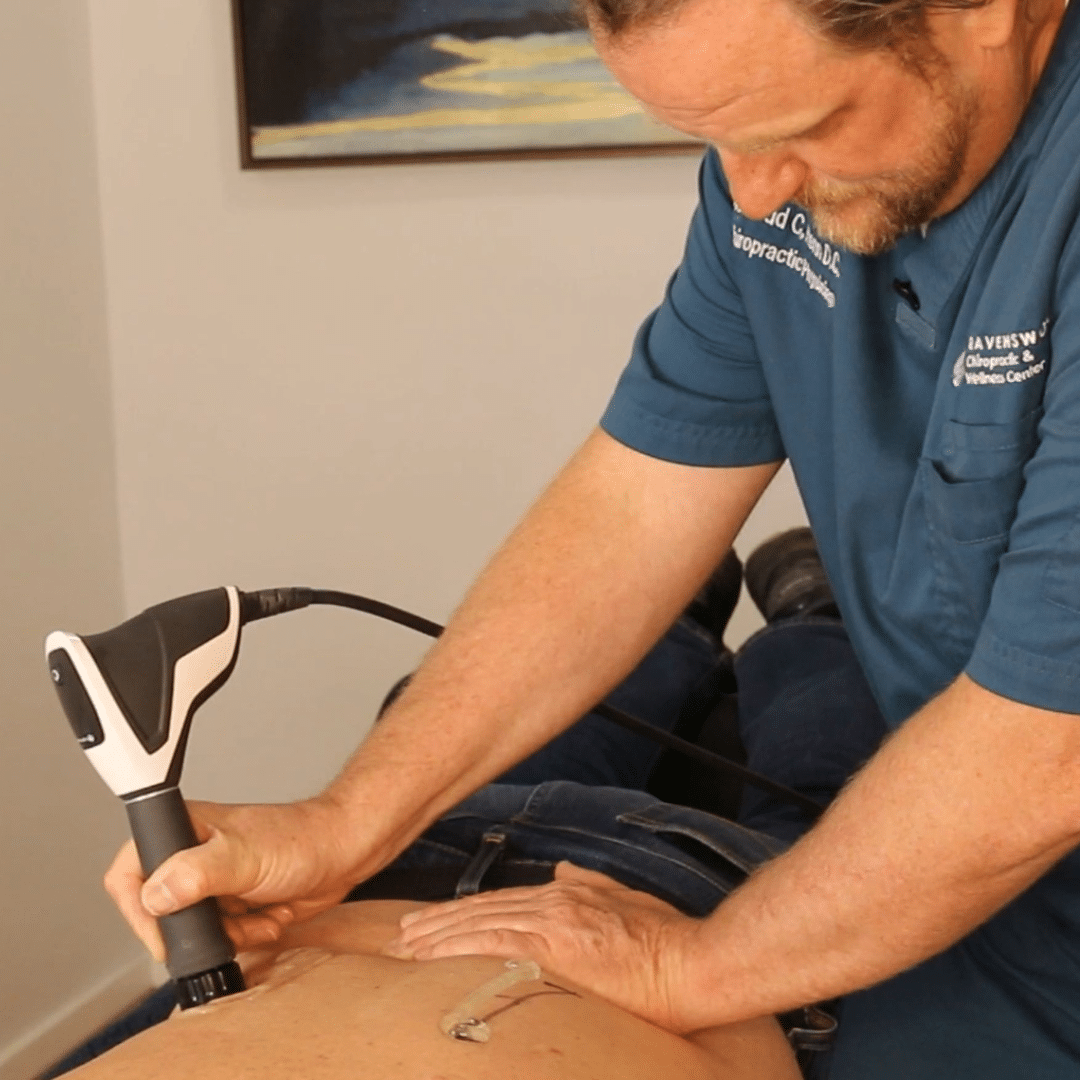
In selected healed scar-related problems, shockwave therapy may support biological processes involved in tissue remodeling and may help improve pain, tissue behavior, or mobility.

Physical Therapy
Targeted mobility, stretching, strengthening, and movement retraining can address stiffness and help translate improvements in tissue mobility into meaningful everyday function.

Class IV Laser Therapy
Class IV Laser Therapy may be considered for selected related soft-tissue symptoms when clinically appropriate; it is not a cosmetic scar-removal treatment.
What Improvements May Look Like
Scar-related recovery looks different for everyone. When treatment is appropriate, progress is usually judged by comfort and function, not by making the scar disappear. Response also depends on the scar, surrounding tissues, health history, treatment plan, and individual healing response.
Possible improvements may include:
Less pulling with movement
Improved range of motion
Greater tissue comfort
Better exercise tolerance
Less movement-related sensitivity
Easier stretching
Less local tenderness
Easier daily activities
Improved movement confidence
Better functional mobility
Improvement is not guaranteed, and a scar can remain visible even when mobility or comfort improves.
Patient Stories
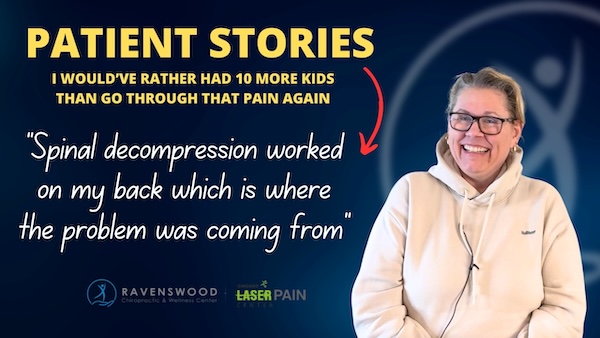
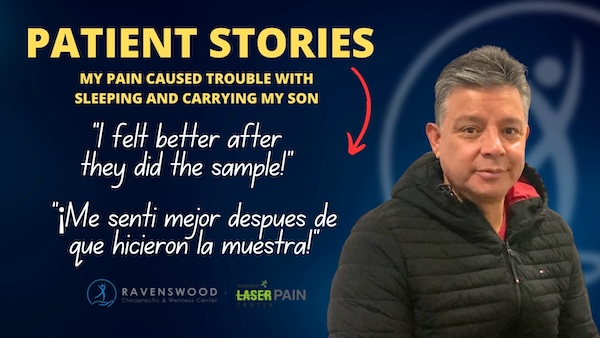
Watch real patients share their experiences and what their care journey was like with our team.
Related Conditions
FAQ
Addressing frequently asked questions about scar tissue.
Does shockwave therapy really break up scar tissue?
“Breaking up scar tissue” is a useful shorthand, but it oversimplifies what shockwave therapy appears to do.
Shockwave therapy does not work like a tool physically cutting, dissolving, or pulverizing a scar. Acoustic pressure waves create mechanical stimulation within tissue. Research suggests that this stimulation may influence biological processes involved in tissue remodeling, circulation, cellular signaling, and the extracellular matrix.
For selected scars, studies have reported improvements in outcomes such as pain, itching, thickness, perfusion, or elasticity. However, results vary and the biological mechanisms are still being studied.
For patients, the more useful question is usually: Is the healed scar or surrounding tissue contributing to pain, tightness, sensitivity, or restricted movement, and is shockwave an appropriate part of improving that function?
That is what the examination should help determine.
What is the difference between a scar and scar tissue?
A visible scar is the skin’s outward sign of healing after deeper skin injury.
“Scar tissue” is often used more broadly to describe collagen-rich repaired tissue that develops during healing. Patients may also use the phrase to describe any tight, firm, or restricted area after surgery or injury even when the scar itself is not actually the main source of the restriction.
That is why we do not assume every tight area after surgery is simply “scar tissue.”
Can shockwave therapy help post-surgical scar tissue?
Possibly, for selected patients, but it depends on what has healed and what is actually limiting you.
If the surgical area has fully healed but remains tight, sensitive, or restricted, an examination may identify scar-related or surrounding musculoskeletal findings that could potentially benefit from rehabilitation and, when appropriate, shockwave therapy.
However, the direct research on shockwave for scars is concentrated heavily in burn and hypertrophic-scar populations. It should not be assumed that results from those studies apply equally to every orthopedic or postsurgical scar.
Can shockwave therapy remove a visible scar?
No. Shockwave therapy is not presented as a scar-removal procedure.
Our goal when shockwave is used for a healed scar-related musculoskeletal problem is function: for example, addressing pain, sensitivity, tissue mobility, or movement restriction when clinically appropriate.
If your primary concern is:
- Scar color
- Scar visibility
- Cosmetic texture
- A raised scar
- A depressed scar
- A keloid
A dermatologist or plastic surgeon may offer more appropriate treatment options. Dermatologic scar treatments differ depending on scar type.
Can shockwave therapy help old scar tissue?
Possibly, depending on the scar and the problem being treated, but older scars should not automatically be expected to respond.
Scar age is only one consideration. The clinician also needs to assess:
- Current mobility
- Tissue sensitivity
- Range of motion
- Surrounding muscles and joints
- Previous surgery or injury
- Functional limitation
- Medical history
An older visible scar that causes no symptoms may not need treatment at all.
When should I contact my surgeon or doctor instead?
Contact the appropriate medical or surgical team if you have a recently operated area with:
- Wound opening
- New drainage
- Increasing redness or warmth
- Significant new swelling
- Fever or suspected infection
- Sudden worsening pain
- New postoperative complications
- A concern about whether healing is progressing normally
Do not assume these symptoms are simply “scar tissue.”
When should I see a dermatologist about a scar?
Consider dermatologic evaluation when a scar is:
- Raised or growing
- Extending beyond the original wound
- Changing unexpectedly
- Persistently itchy or painful
- Primarily a cosmetic concern
- Difficult to identify
- Restricting movement because of a skin contracture
Different scar types require different treatments, and dermatologists can help establish what type of skin scar is actually present.
Is shockwave therapy proven for every kind of scar tissue?
No.
Research on shockwave therapy for scars is promising, but the most developed direct evidence involves post-burn and hypertrophic scars. A 2025 review found reported benefits involving pain, itching, thickness, perfusion, and other scar measures but emphasized major differences among study populations and protocols and noted that most available research involved adults with post-burn scars.
Need Help with Scar Tissue?
Our Andersonville team starts with an examination to determine what is limiting your movement and whether shockwave therapy, rehabilitation, another approach, or referral makes sense.
5215 N Ravenswood Ave Suite 105 Chicago, IL 60640
773.878.7330
Why Us?
Top rated care
Advanced technologies
Non-surgical treatment options
Experienced clinical leadership
A whole-body approach
Reviewed and approved by Dr. Todd Renn, DC on September 30, 2026