
Who do joint adjustments help?
How does it work?
How does it complement care?
When Joint Adjustments May Be Considered
Joint pain is not always only about the joint that hurts. A stiff ankle can change knee mechanics. A restricted hip can affect the low back. Shoulder movement can involve the upper back, ribs, and shoulder blade. Joint adjustments may be considered when restricted motion contributes to pain, stiffness, compensation, or movement limitation.
If you are searching for joint adjustments in Chicago, an evaluation can help determine whether your shoulder, elbow, wrist, hip, knee, ankle, or foot restriction may respond to chiropractic care.


Find out if a joint adjustment may be the right fit for your stiffness or movement restriction.

Inside Our Approach to Joint Adjustments
We evaluate the painful joint, nearby joints, posture, gait, muscle guarding, strength, and movement patterns first. Then we recommend a targeted joint adjustment or another conservative option based on what fits your exam findings.
Targeted Non-Spinal Joint Care
Joint adjustments may be used for restricted shoulders, elbows, wrists, hips, knees, ankles, or feet. The goal is improved joint motion, better mechanics, and less compensation when appropriate.
The Whole Movement Chain
Joints do not work alone. Your foot affects your ankle and knee. Your hip affects your low back. Your shoulder works with the upper back, ribs, and shoulder blade.
Additional Ways Joint Adjustments Can Support You
Joint adjustments may support mobility, comfort, walking mechanics, lifting mechanics, sport movement, posture tolerance, and participation in physical therapy or home mobility work.
What to Expect During Your First Visit
Your first visit focuses on understanding which joint hurts, how it moves, how nearby joints contribute, and whether a joint adjustment, physical therapy, orthotics, shockwave, laser, or another option fits best.

Joint Symptom Review
We review where symptoms are, what movements bother you, what helps, prior injuries, activity demands, and your goals.

Selective Functional Movement Assessment
Your evaluation may include joint motion, gait, posture, strength, mobility, muscle guarding, and how nearby joints work together.

Best-Fit Care Recommendation
We explain whether a joint adjustment appears appropriate or whether another conservative option may be a better fit.

Joint Adjustment or Next Step
Your visit may include a joint adjustment, physical therapy guidance, orthotics, shockwave, Class IV laser therapy, home advice, or referral.
Could This Treatment Be Right for You?
Joint adjustments may be a good fit for people whose shoulder, elbow, wrist, hip, knee, ankle, or foot feels stiff, restricted, tight, or mechanically limited and who want a professional evaluation before being adjusted. Not every joint problem needs the same care, so we recommend the option that best fits your findings.
You may be a good fit if you:
- Have joint stiffness
- Feel restricted motion
- Have shoulder tightness
- Have hip stiffness
- Have ankle restriction
- Have foot mobility issues
- Notice movement compensation
An exam is especially important if you:
- Pain keeps returning
- Movement feels limited
- Swelling is present
- Weakness is present
- Pain affects walking
- Pain affects lifting
- Sports pain continues
- Prior care has not helped
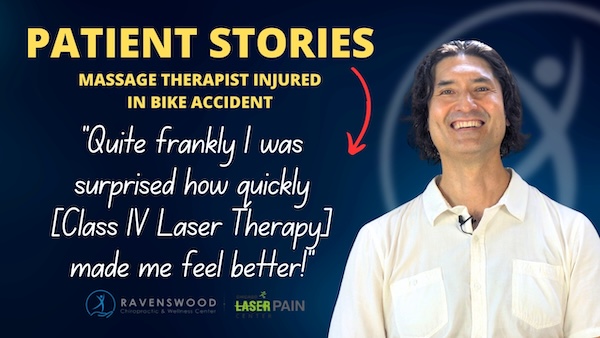
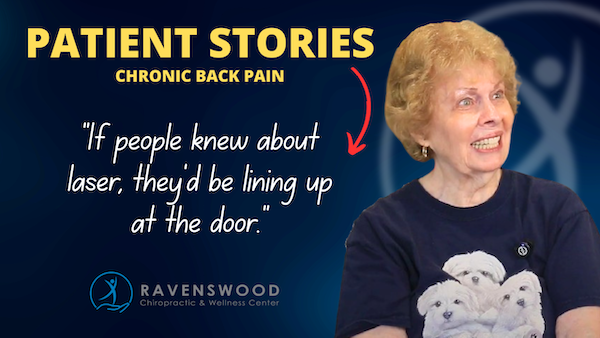
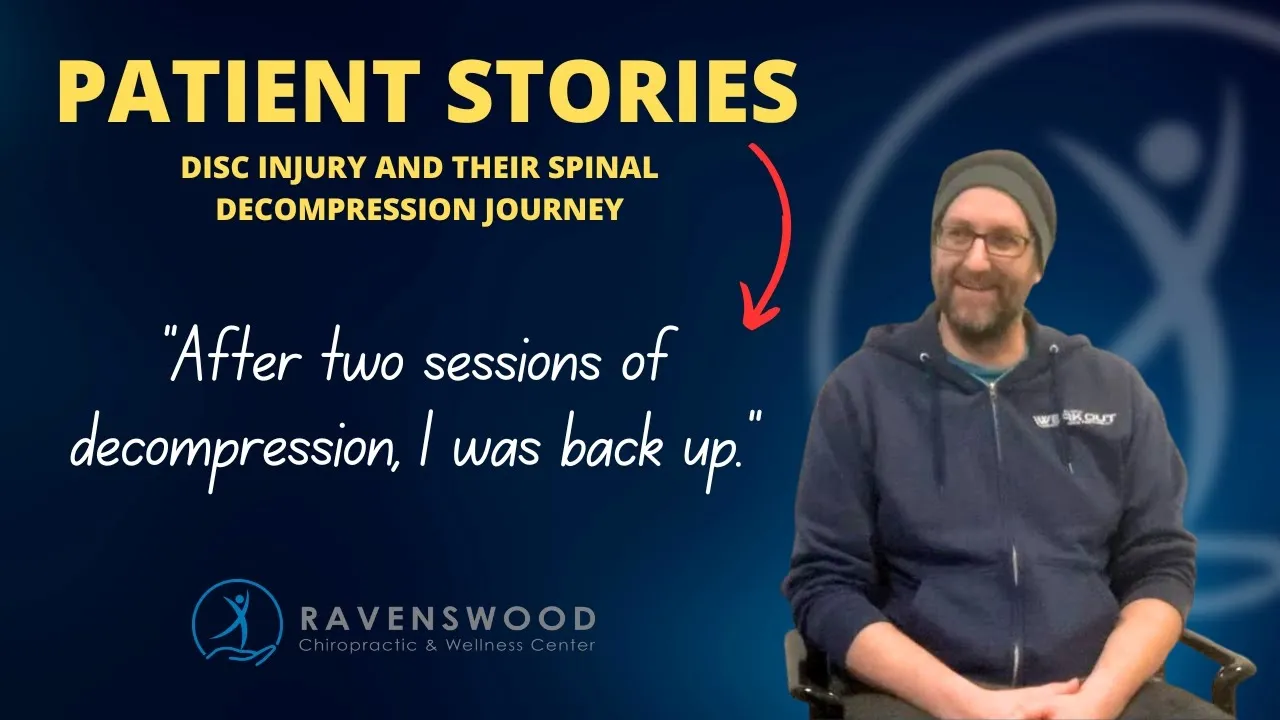
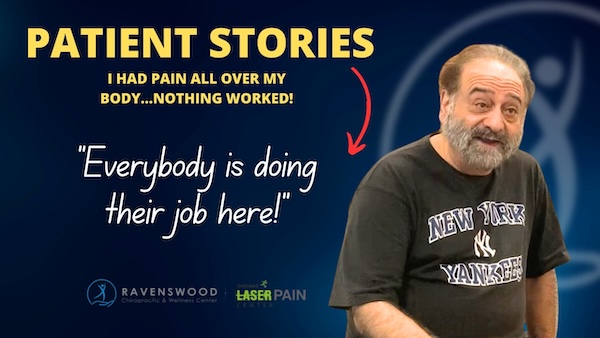
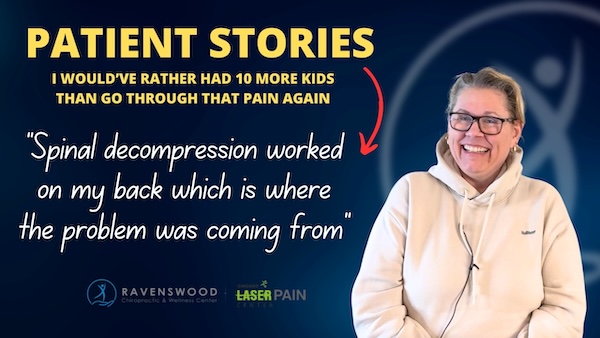
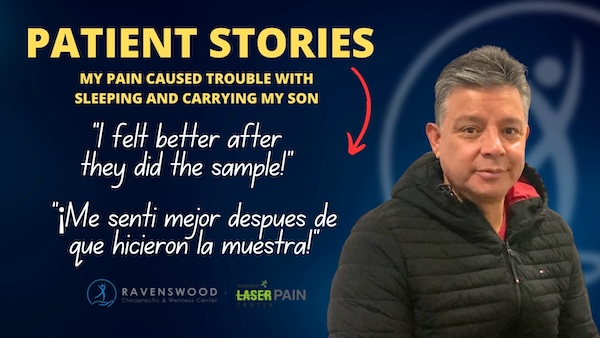
Patient Stories
Watch real patients share their experiences and what their care journey was like with our team.




FAQ
Addressing frequently asked questions about joint adjustments.
What are joint adjustments?
Joint adjustments are chiropractic techniques used for joints outside the spine, such as shoulders, elbows, wrists, hips, knees, ankles, and feet. They may be considered when restricted joint motion contributes to stiffness, discomfort, compensation, or movement limitation.
Are joint adjustments the same as spinal adjustments?
They are related, but they focus on different areas. Spinal adjustments focus on the neck, mid-back, or low back. Joint adjustments focus on non-spinal joints such as the shoulder, elbow, wrist, hip, knee, ankle, or foot.
Are joint adjustments the same as extremity adjustments?
Yes. Many chiropractors use the term “extremity adjustments” for chiropractic adjustments outside the spine. Patients usually search for “joint adjustments,” so we use that language while explaining that the care involves shoulders, elbows, wrists, hips, knees, ankles, and feet.
Can joint adjustments help carpal tunnel symptoms?
Wrist or elbow joint restriction may sometimes contribute to upper-extremity mechanics, but carpal tunnel symptoms involve irritation of the median nerve at the wrist. Evaluation helps determine whether joint care, nerve care, ergonomic changes, physical therapy, bracing, imaging, or referral is more appropriate.
What if my joint pain is tendon-related?
If your joint pain appears primarily tendon-related, an adjustment may not be the main treatment. Ravenswood Chiropractic may discuss physical therapy, shockwave therapy, Class IV laser therapy, activity modification, progressive loading, or referral depending on findings.
What if my joint pain needs imaging?
Imaging may be appropriate when symptoms are severe, worsening, traumatic, associated with major swelling, deformity, instability, loss of function, suspected fracture, or not improving as expected. We will explain when imaging or referral may be needed.
Do joint adjustments hurt?
Joint adjustments are intended to be controlled and specific. Some patients feel pressure, movement, or mild soreness afterward. If a joint is too irritated, swollen, unstable, or painful, another care option may be better.
What if a joint adjustment is not the best fit?
Then we will say so. Depending on your findings, we may recommend physical therapy, shockwave therapy, Class IV laser therapy, orthotics, home mobility work, medical co-management, imaging, or referral instead.
Why Ravenswood Chiropractic and Wellness Center?
Ravenswood Chiropractic provides evaluation-based joint adjustments in Andersonville for shoulders, elbows, wrists, hips, knees, ankles, and feet when appropriate.
5215 N Ravenswood Ave Suite 105 Chicago, IL 60640
773.878.7330
Top rated care
Advanced technologies
Non-surgical treatment options
Experienced clinical leadership
A whole-body approach