
Who do back adjustments help?
How does it work?
How does it complement care?
When Back Adjustments May Be Considered
Many people look for a back adjustment because their back feels stiff, locked up, tight, or like it needs to crack. At Ravenswood Chiropractic, we first evaluate whether a targeted back adjustment makes sense or whether another conservative option would better address the issue.
If you are searching for a back adjustment in Chicago, an evaluation can help determine whether your stiffness, tightness, or restricted movement may respond to chiropractic care.


Find out if a back adjustment may be the right fit for your stiffness or discomfort.

Inside Our Approach to Back Adjustments
Back adjustments at Ravenswood Chiropractic are not random back cracking. We evaluate how your lower back, mid-back, upper back, hips, muscles, posture, and movement patterns are working together, then recommend a targeted adjustment or another conservative option based on what fits your case.
Targeted Hands-On Adjustments
For over 25 years we’ve been providing skilled back adjustments in Andersonville. We used Diversified chiropractic techniques to help restricted spinal joints move better. The goal is improved mobility, less muscle guarding, and better function when appropriate.
The Pop Is Not the Goal
The popping sound is usually a pressure change inside the joint. Hearing a pop is not required for a visit to be helpful, and the goal is better movement.
Additional Ways Back Adjustments Can Support You
Back adjustments may support mobility, comfort, posture tolerance, sitting tolerance, lifting mechanics, movement confidence, and participation in physical therapy or home mobility work.
What to Expect During Your First Visit
Your first visit focuses on understanding why your back feels stiff, tight, stuck, or uncomfortable and whether a back adjustment, gentle mobilization, physical therapy, or another option fits best.

Back Symptom Review
We review where your back feels stiff, what movements bother it, what helps, and whether symptoms are changing.

Spine and Movement Check
Your evaluation may include spinal motion, posture, hips, muscle guarding, Selective Functional Movement Assessment, movement patterns, and basic nerve signs when needed.

Best-Fit Care Recommendation
We explain whether a back adjustment appears appropriate or whether another conservative option may be a better fit.

Back Adjustment or Next Steps
Your first visit may include a back adjustment, gentle mobilization, physical therapy guidance, home advice, decompression, laser, shockwave, or referral.
Could This Treatment Be Right for You?
Back adjustments may be a good fit for people whose lower back, mid-back, or upper back feels stiff, restricted, tight, or uncomfortable and who want a professional evaluation before being adjusted. Not every back problem needs the same type of care, so we recommend the option that best fits your findings.
You may be a good fit if you:
- Feel stiff or stuck
- Want a back adjustment
- Keep self-cracking your back
- Have lower back tightness
- Have mid-back tension
- Have upper back stiffness
- Sit for long hours
- Want hands-on care
An exam is especially important if you:
- Pain keeps returning
- Movement feels limited
- Pain changes your posture
- Pain affects lifting
- Sitting makes it worse
- Symptoms travel down a leg
- Numbness or tingling occurs
- Prior care has not helped
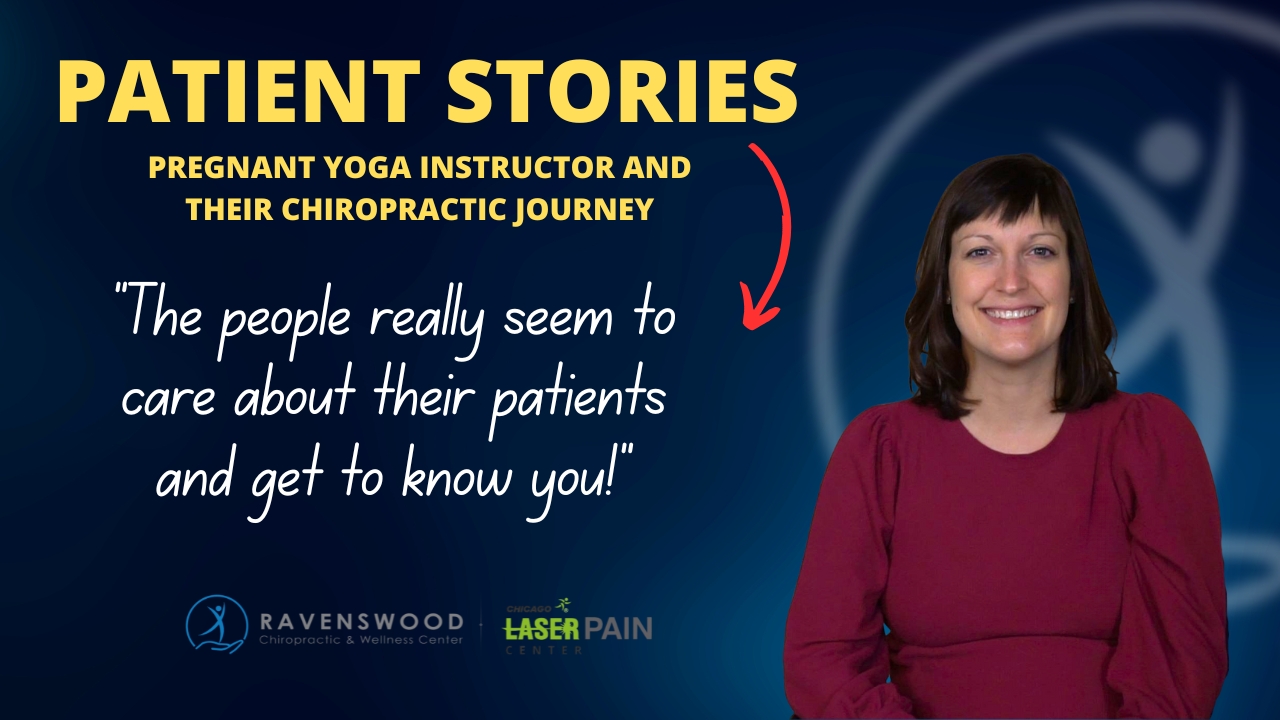
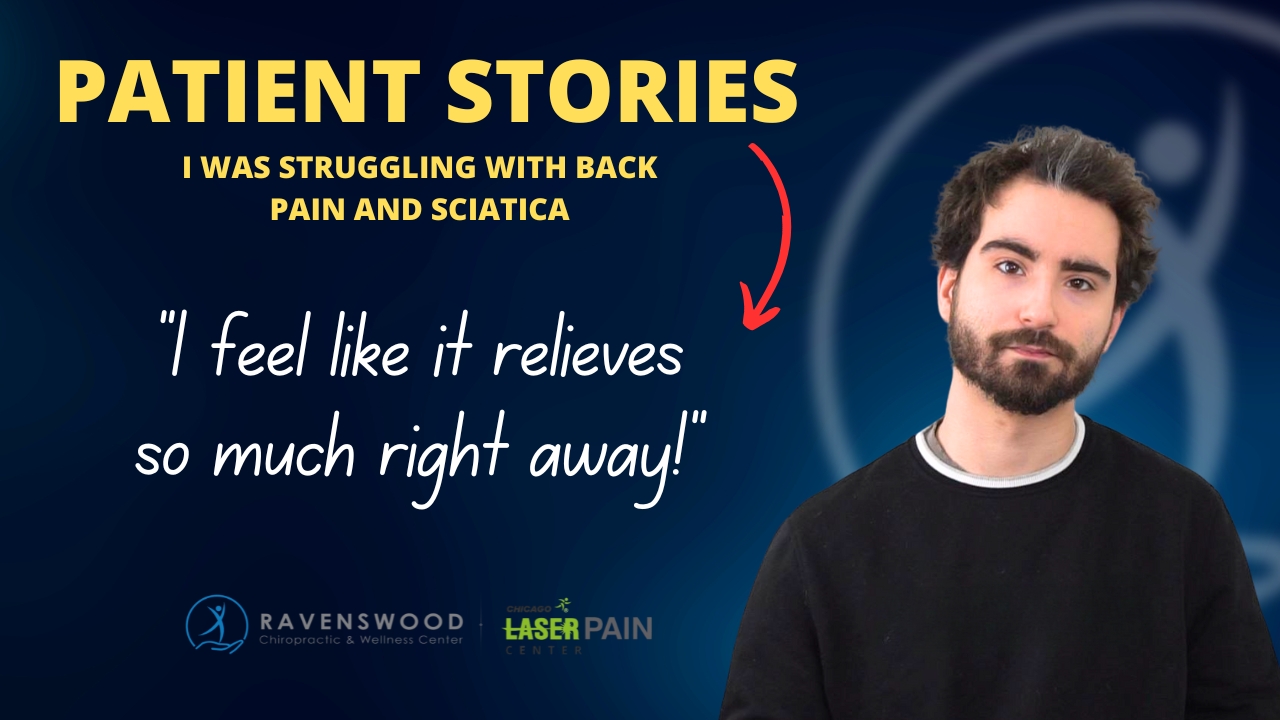
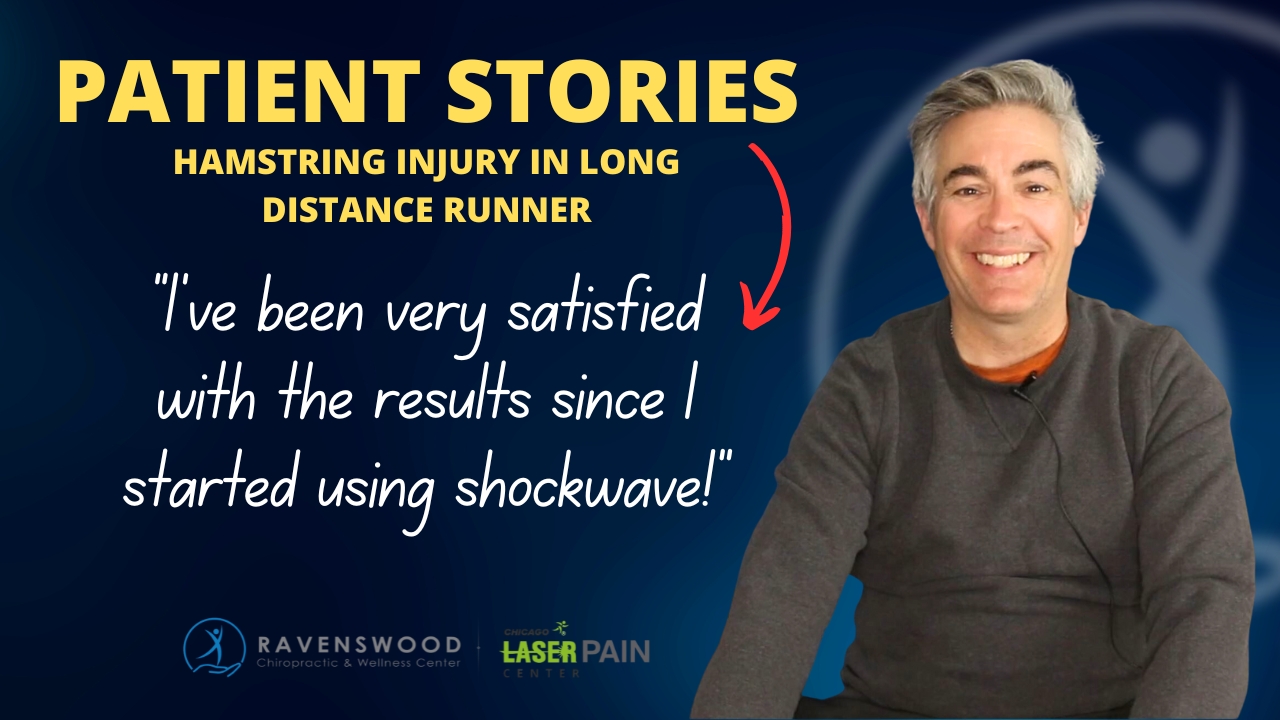
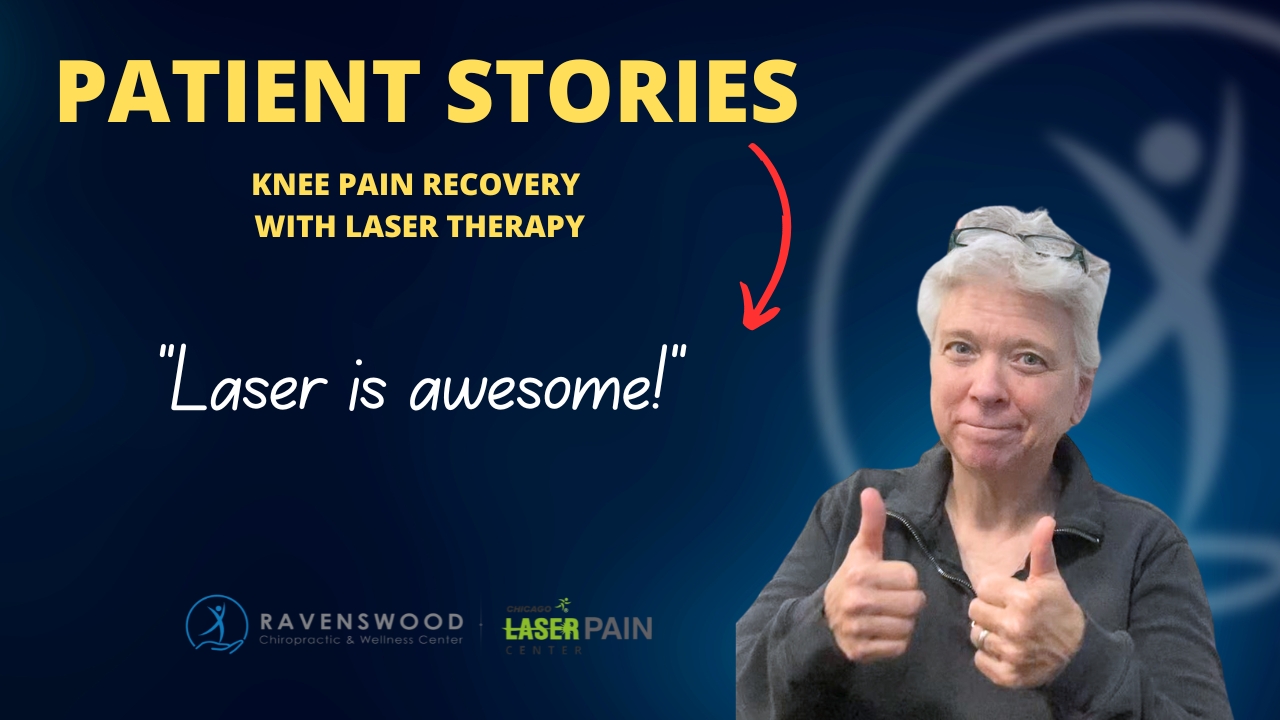
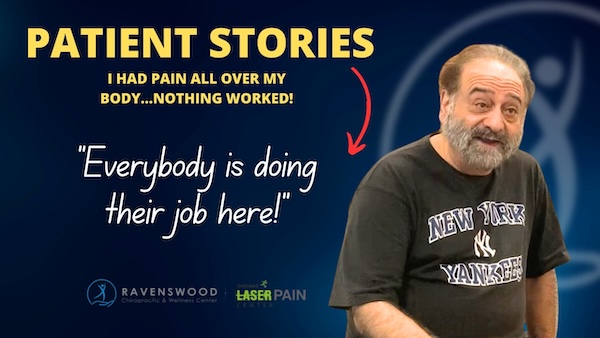
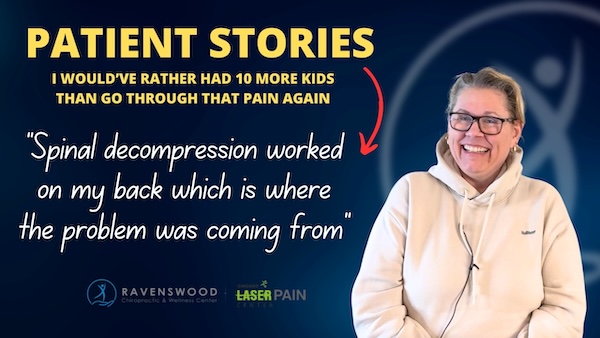
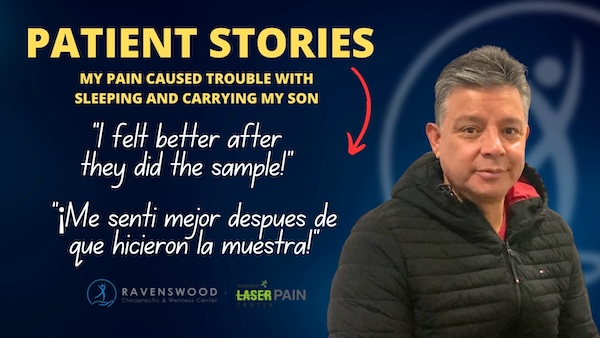
Patient Stories
Watch real patients share their experiences and what their care journey was like with our team.




FAQ
Addressing frequently asked questions about back adjustments.
What is a back adjustment?
A back adjustment is a controlled hands-on chiropractic technique used to help specific restricted spinal joints move better when appropriate. It is not random cracking. At Ravenswood Chiropractic, we evaluate your back first, then decide whether an adjustment or another conservative option fits best.
What makes the popping sound during a back adjustment?
The popping sound is usually a pressure change inside the joint, often called cavitation. It is not bones breaking or grinding. A pop may happen during an adjustment, but the sound itself is not the main goal of care.
Do I need to hear a pop for the adjustment to work?
No. A helpful chiropractic visit does not have to include a loud pop. Some effective adjustments are quiet, and some patients are better suited for gentle mobilization, physical therapy, or another approach depending on the exam.
Why does cracking my back feel good?
Cracking your back may feel good because it can temporarily reduce tension, create a sense of movement, or change how your nervous system perceives stiffness. However, self-cracking often moves the easiest joints, not necessarily the restricted area that needs attention.
Will I get adjusted on the first visit?
Sometimes, but not always. If the evaluation suggests a back adjustment is appropriate, it may be part of the first visit. If another option is safer or more appropriate, we will explain why.
What if I am nervous about getting my back adjusted?
That is completely normal. Tell us before treatment begins. We can explain each step, use gentle options when appropriate, or start with mobility work, physical therapy guidance, soft tissue work, or another conservative approach.
Do you offer gentle back adjustments?
Yes. Not every patient needs the same style of adjustment. Depending on your comfort level and exam findings, care may include hands-on adjustments, gentle mobilization, low-force techniques, physical therapy guidance, or other options.
Can a back adjustment help stiffness?
A back adjustment may help stiffness when restricted spinal joints are part of the problem. If stiffness is mainly coming from muscle guarding, poor endurance, disc irritation, hip restriction, or movement habits, we may recommend additional or different care.
How often should I get adjusted?
The right frequency depends on your symptoms, exam findings, goals, response to care, and whether the issue is acute, recurring, or movement-related. We do not recommend the same adjustment schedule for every patient.
Why Ravenswood Chiropractic and Wellness Center?
Ravenswood Chiropractic provides evaluation-based back adjustments in Andersonville for lower back, mid-back, and upper back stiffness, tightness, and restricted movement.
5215 N Ravenswood Ave Suite 105 Chicago, IL 60640
773.878.7330
Top rated care
Advanced technologies
Non-surgical treatment options
Experienced clinical leadership
A whole-body approach